
From the Beauty Counter to a Billion Dollars: The Business Behind the Breast Cancer Research Foundation
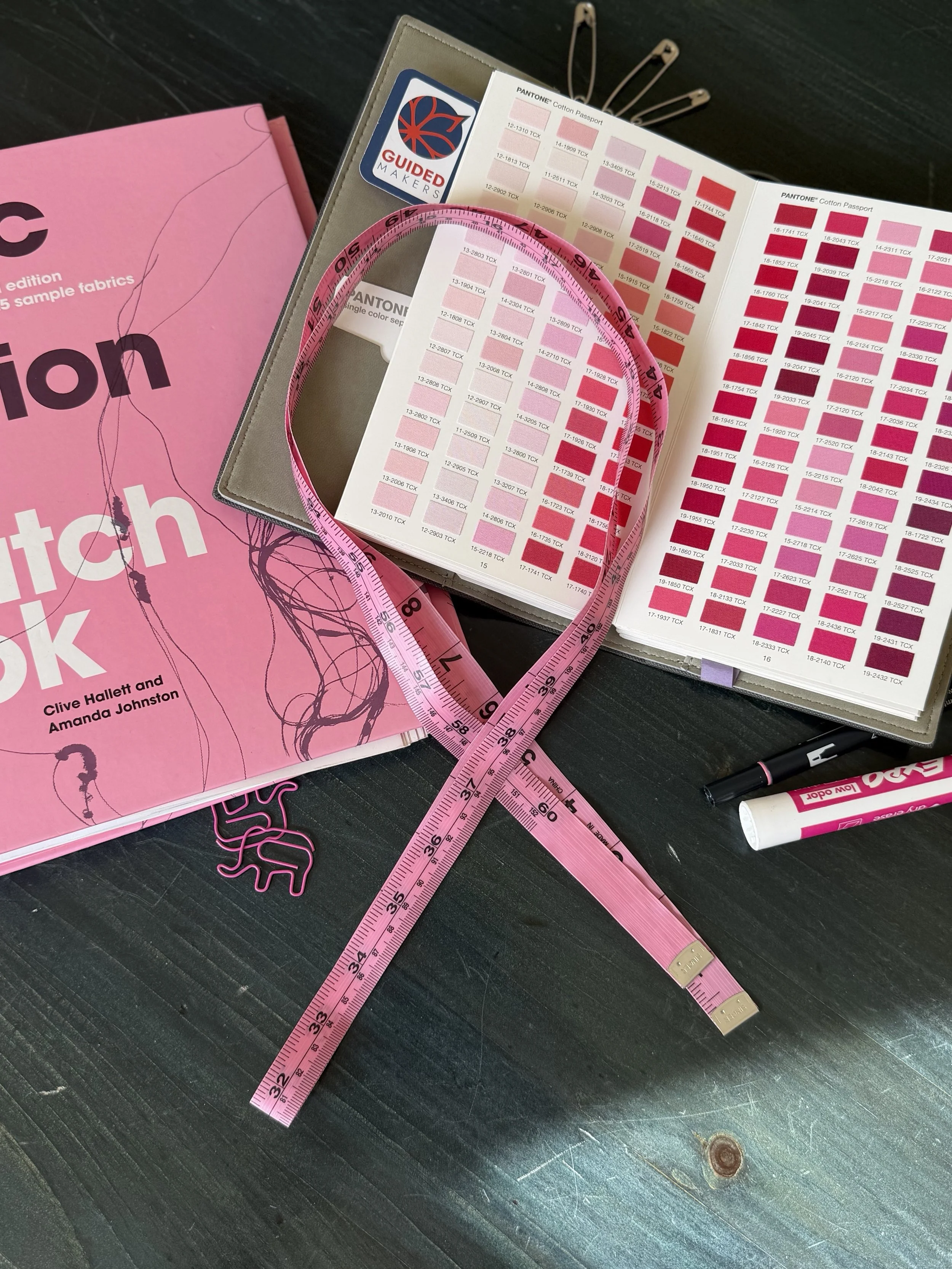
October is Breast Cancer Awareness Month, and the pink ribbon is everywhere: on packaging, storefronts, and social feeds. Far fewer people know the business story behind it, or that one of the world's largest private funders of breast cancer research began as an idea from inside a beauty company. It's a case study in brand strategy, channel thinking, and long-term commitment, and it's worth a closer look.
A businesswoman who learned the customer first
Evelyn H. Lauder was born in Vienna in 1936 and went on to study anthropology at Hunter College. She brought that training to business: Hunter describes her doing field research behind department store beauty counters, talking with customers and watching the competition, and credits her with guiding Estée Lauder fragrances to bestseller status. She understood, at a granular level, how people shop and what moves them. That instinct is the thread running through everything that followed.
By 1989, she had already turned to philanthropy, leading the fundraising effort for the first Evelyn H. Lauder Breast Center at Memorial Sloan Kettering Cancer Center in New York.
A crowded field, and a gap
When Lauder turned her attention to breast cancer, she wasn't entering an empty space. The Susan G. Komen Breast Cancer Foundation had been founded in 1982, and Avon's Breast Cancer Crusade launched in the early 1990s. Komen funded some research, but its emphasis was on educating the public and establishing clinics where women could receive exams and testing.
The gap Lauder saw was dedicated research funding. That clarity of purpose became the foundation's identity.
1992: the ribbon meets the retail counter
In October 1992, Lauder co-created the pink ribbon with SELF magazine and launched The Estée Lauder Companies' Breast Cancer Awareness campaign. The tactics were grounded in the retail environment she knew best. Pledge cards and petitions went to makeup counters, and certain products were branded with pink ribbon designs, tapping the purchasing power of customers already walking up to those counters. One account reports roughly 1.5 million ribbons were distributed through Estée Lauder counters in 1992. The company has since reported distributing well over 100 million ribbons worldwide, and in 2000 added an initiative lighting more than 200 landmarks in pink each October.
The color story has its own history. The earliest ribbon was peach, created by Charlotte Haley in 1991 and hand-made to push for more cancer prevention funding. Haley reportedly declined corporate partnership requests, believing they were too commercial, and Self and Estée Lauder then moved the ribbon to pink. Komen had already been using pink in its own efforts, so the full picture is more layered than any single origin story.
1993: from campaign to institution
A year later, in 1993, Lauder and her friend Dr. Larry Norton founded the Breast Cancer Research Foundation. The idea took shape at her kitchen table over coffee. She initially joked that she didn't need another job, according to one account, but the need for dedicated research funding won out.
The structure was deliberate. Rather than a lengthy, complicated grant process, the foundation used a 15-page application. Norton appointed a medical review committee that set high standards for grantee accountability while minimizing bureaucracy. The first year looked modest: eight grantees receiving $20,000 each.
Staying long enough to scale
Growth came from consistency. BCRF reports going from eight grantees in 1994 to 145 grantees in 10 countries in 2011, and 250 scientists in 14 countries today, describing itself as the world's largest private funder of breast cancer research. It reports raising more than a billion dollars since its founding. Both figures come from the organization's own materials.
What brands can take from it
Use the channel you already have. The retail counter was a direct line to customers. The campaign met people where they already were.
Build structure, not just a campaign. A dedicated foundation with clear grant criteria outlasts any seasonal promotion.
Pick a specific gap. Funding research, specifically, set BCRF apart from organizations focused on education and clinics.
Design for accountability early. A short application and a review committee kept the process lean and credible from the first grants.
Commit for decades, not quarters. The scale came from sustained effort, not a single launch.
A balanced note
Pink-ribbon marketing has drawn real criticism. The documentary Pink Ribbons, Inc. examines companies using the ribbon to increase sales while contributing only a small fraction of proceeds, and the advocacy group Breast Cancer Action publishes questions consumers can use to assess whether a company is engaging in "pinkwashing". The lesson for brands isn't that cause initiatives are suspect. It's that a named recipient, a clear structure, and long-term commitment are what separate a cause initiative from a cause promotion.
Thinking about a cause initiative of your own?
The strongest ones start with a clear purpose and a structure built to last. Reach out to Guided Makers and we'll help you build one that holds up.