
This or That: Organic Cotton Edition
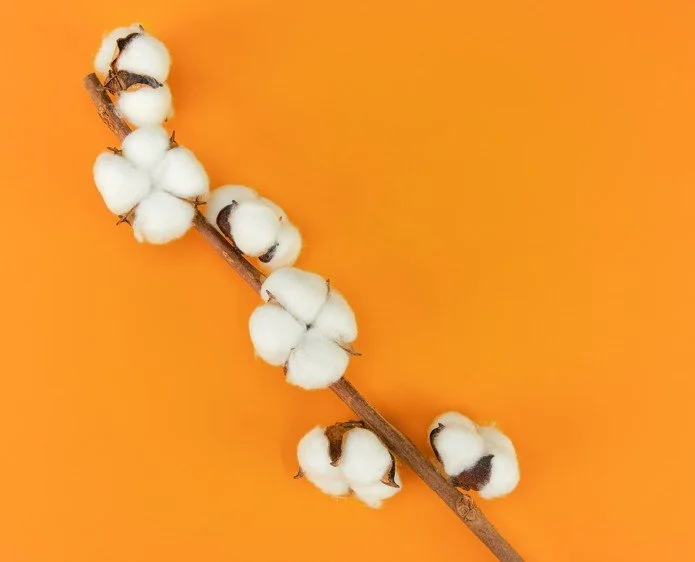
When it comes to choosing better materials, organic cotton is often held up as the gold standard — but what makes it different, and is it truly the more sustainable choice?
With Earth Month here, it’s the perfect time to slow down, look closely at what we’re putting into our products, and explore the impact of our sourcing decisions. Today we’re diving into a “This or That” comparison: organic cotton vs. conventional cotton — what’s real, what’s marketing, and what matters most for brands that want to do better.
Let’s break it down by category
1. Water Use
THIS: Organic Cotton
Organic cotton uses up to 91% less water than conventional cotton, thanks to healthier soils and rain-fed growing methods. Approximately 80% of organic cotton is grown in regions where irrigation isn’t even needed.
THAT: Conventional Cotton
Conventional cotton has long been known as a thirsty crop — and although older statistics suggested extremely high usage, updated 2026 data still shows it requires around 2,068 liters of water per kilogram, a dramatically higher impact overall.
Winner: Organic cotton, by a landslide.
2. Chemicals & Pesticides
THIS: Organic Cotton
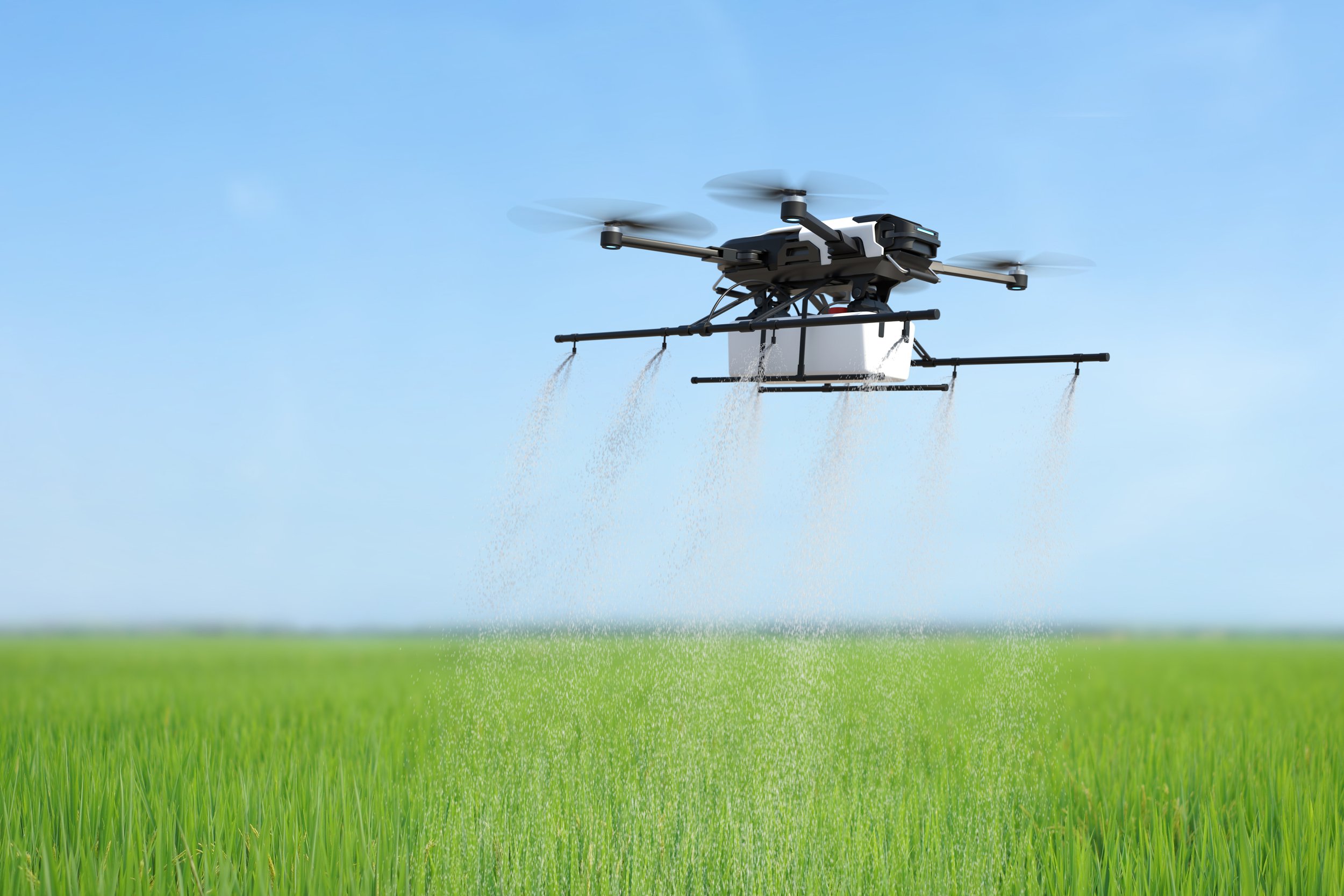
Organic cotton eliminates synthetic pesticides, herbicides, and fertilizers entirely, relying instead on natural pest management and soil-building techniques. This protects waterways, workers, and ecosystems.
THAT: Conventional Cotton
Conventional cotton uses 4.4% of all global agricultural pesticides, contributing to soil degradation, chemical runoff, and worker health risks. Some of the chemicals used are so hazardous they’ve been banned in many countries.
Winner: Organic cotton, for significantly reducing toxicity across the supply chain.
3. Soil Health & Carbon Footprint
THIS: Organic Cotton
Organic farming helps increase soil organic carbon, improve water retention, and reduce erosion by 26%. Healthy soils can even store more carbon — a critical climate benefit.
THAT: Conventional Cotton
Conventional methods — especially monocropping and synthetic fertilizer use — degrade soil quality over time, making fields more vulnerable to erosion and reducing long‑term productivity.
Winner: Organic cotton builds resilience where conventional methods break it down.
4. Energy Use
THIS: Organic Cotton
Organic cotton production uses 62% less energy than conventional cotton.
THAT: Conventional Cotton
Relies heavily on fossil‑fuel‑intensive fertilizers, irrigation systems, and chemical production, driving a higher energy footprint.
Winner: Organic cotton - less resource-intensive, more efficient.
5. Farmer & Worker Well‑Being
THIS: Organic Cotton
Organic practices protect farmers from pesticide exposure and often provide access to price premiums, improving livelihoods. Research shows organic growers in several regions have reported improved health outcomes and safer working conditions.
THAT: Conventional Cotton
Farmworkers face high exposure to chemicals linked to respiratory issues, skin disease, and long-term health impacts. Communities nearby also experience water contamination and soil decline.
Winner: Organic cotton, offering both environmental and human health benefits.
6. Land Use & Yield
THIS: Organic Cotton
One trade-off: organic cotton often has lower yields, meaning it requires more land to produce the same amount of fiber.
THAT: Conventional Cotton
Higher yields per acre make conventional cotton more scalable today.
Winner: Conventional cotton on yield only. far easier to scale as it dominates global supply chains
7. Certifications & Trust
THIS: Organic Cotton
Certifications like GOTS and OCS ensure organic claims are credible, with GOTS requiring strict environmental controls throughout the entire processing chain.
THAT: Conventional Cotton
Has minimal environmental certification pathways and is harder to verify for sustainability.
Winner: Organic cotton — clear standards, clear transparency.
8. Market Trends & Demand
Organic cotton demand continues to grow rapidly, with production increasing 37% in 2020/21 and market projections predicting continued expansion as consumers seek lower-impact materials.
With sustainability ranking among the top purchase drivers for younger consumers, brands investing in organic cotton are aligning with both market and mission.
So… Organic Cotton or Conventional?
In nearly every environmental category - water, chemicals, soil health, energy, and worker safety — organic cotton clearly outperforms conventional cotton.
The main trade-off is yield, but innovations in regenerative organic farming are helping close that gap while improving soil health even further. Some regenerative cotton practices increase carbon storage, improve biodiversity, and help farmers reduce input costs - showing where the future is heading.
For price‑sensitive markets or brands operating on razor‑thin margins, organic cotton can be financially prohibitive - particularly for entry‑level product categories.
For brands committed to sustainability, transparency, and thoughtful design, organic cotton isn’t just “the better option.” It’s a tangible way to lower environmental impact, protect farmers, and support materials that align with long-term values.
Organic cotton isn’t perfect, but it’s significantly better environmentally and when paired with responsible sourcing, thoughtful product design, and intentional production planning, it becomes a powerful tool in building a more sustainable fashion future.
Guided Makers is ready to support scaling your brand. Our services focus on a holistic approach of merchandising, product development, sourcing and selling. Reach out today to learn more about our audit and implementation services.
Sources: Theroundup.org, scienceinsights.org, tfrg.org.uk