
What Is Sustainable Fashion? Can it be done?
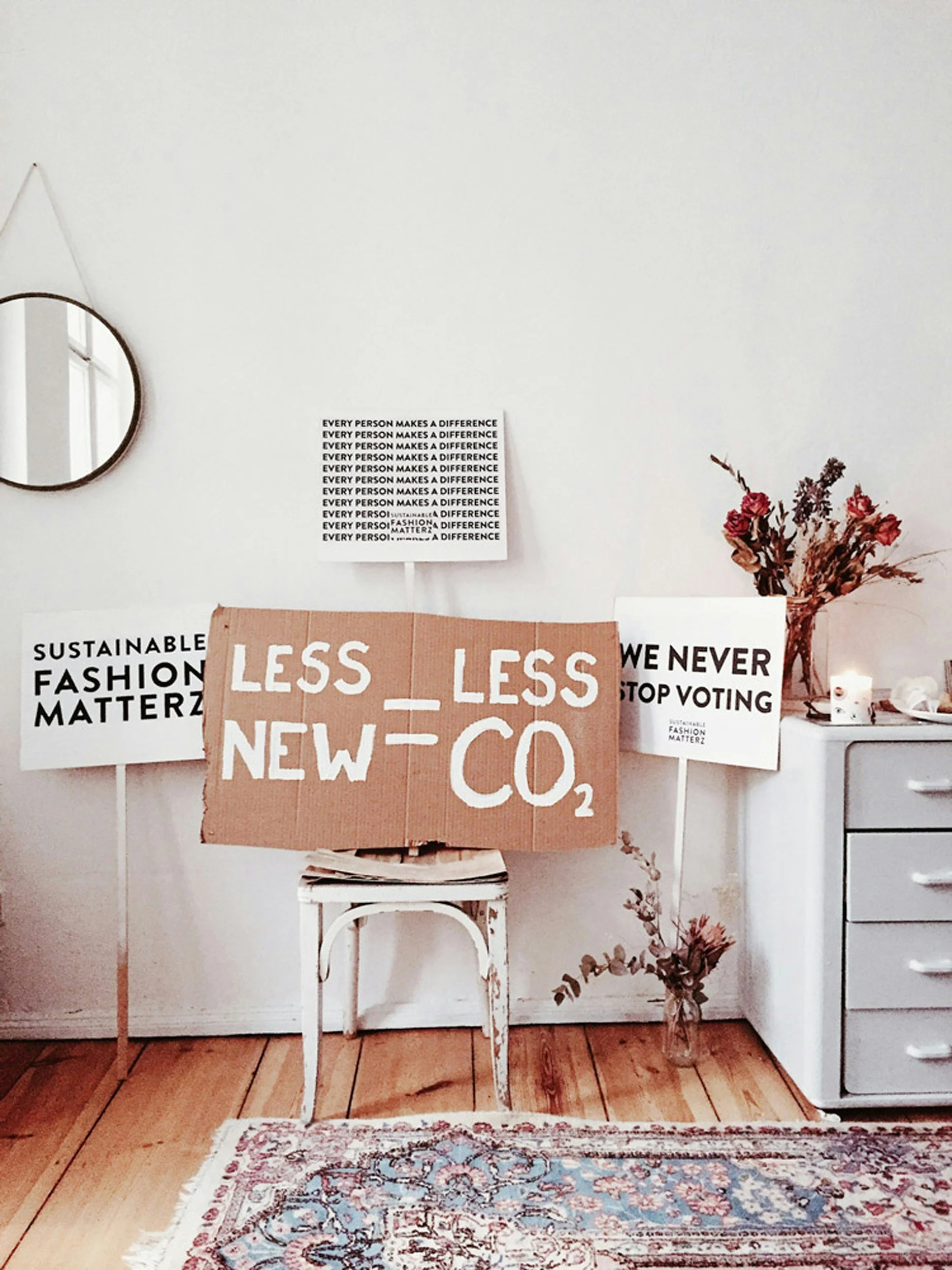
In our blog “Greenwashing, Forever Plastics & the Messy Truth About “Sustainable” Fashion” we broke down what sustainable fashion aims to be: thoughtful materials, responsible production, durability, transparency, and waste reduction.
But the question we hear right after that is always the same:
“If sustainability is this complicated… what should brands actually focus on?”
Because the truth is, most brands aren’t trying to greenwash. They’re trying to do better in an industry that doesn’t make that easy. So instead of chasing perfection, this is what we believe practical sustainability really looks like.
Start With the Right Mindset: Sustainability Is About Tradeoffs
The most important shift a brand can make isn’t material‑based, it’s mental.
There is no fabric, factory, or process that is impact‑free. Every “sustainable” choice comes with tradeoffs. Responsible brands don’t hide that, they acknowledge it and choose intentionally.
Solution:
Stop asking “What’s the most sustainable option?”
Start asking “What’s the most responsible option for this specific product?”
That framing alone leads to better decisions.
1. Make Material Choices With Context , Not Hype
Instead of chasing whatever fabric is being marketed as the latest eco miracle, sustainable brands look at materials holistically.
What this looks like in practice:
Choosing fibers based on end use and longevity, not just origin
Avoiding unnecessary blends that prevent recycling
Using synthetics intentionally when performance or durability matters
Being honest when a material is selected for function, not sustainability optics
A long‑lasting synthetic jacket may be more responsible than a fragile “eco” alternative that needs replacing every season.
Sustainability win: fewer replacements, less waste, more real‑world impact reduction.
2. Design for Longevity First, Trends Second
Sustainability improves dramatically when products actually last.
Solution-focused brands prioritize:
Strong construction and tested materials
Timeless silhouettes that outlive fashion cycles
Garments that can be repaired, altered, or worn multiple ways
Longevity reduces demand, and reduced demand is one of the most powerful environmental levers in fashion.
Rule of thumb:
If it won’t be worn for years, it’s not a sustainable design choice , no matter the fabric.
3. Produce Less, Plan Better
Overproduction is one of the industry’s biggest sustainability failures. Brands don’t need to be large‑scale polluters to contribute to it, even small runs can become waste without planning.
More sustainable approaches include:
Fewer SKUs per collection
Smaller batch sizes
Testing products before scaling
This isn’t about limiting growth, it’s about growing intentionally.
4. Focus on Waste Reduction Where You Actually Have Control
A brand can’t control every part of the supply chain but it can control internal systems.
Practical solutions brands often overlook:
More efficient pattern layouts to reduce cutting waste
Repurposing deadstock or excess trims
Rethinking packaging quantities instead of materials alone
Designing components to be reusable across products
Small operational decisions add up fast.
5. Be Transparent Instead of Performing “Sustainability”
The most trustworthy sustainable brands don’t claim to be fully sustainable. They explain where they are and where they’re going.
Solution:
Replace vague claims with specific statements like:
“We chose this material because it increases garment lifespan.”
“This product still contains synthetics, and here’s why.”
“We reduced waste here, but this area still needs improvement.”
Transparency builds credibility, perfection claims erode it.
6. Measure Progress Over Time, Not Marketing Milestones
Sustainability shouldn’t be a campaign, it should be an evolving practice.
Brands that do this well:
Set internal benchmarks
Revisit decisions as better options become available
Improve systems incrementally instead of overhauling everything at once
Progress that’s honest beats perfection that isn’t real.
Final Thought: A Sustainable Brand Isn’t Always the Least Harmful, It’s the Most Honest
If our first blog was about what sustainability strives for, this one is about how brands can realistically move toward it.
The most sustainable brands:
Make fewer things
Make them better
Tell the truth about their choices
Commit to doing better next time
At Guided Makers, we help brands navigate these decisions without greenwashing or guilt. Sustainability isn’t about having all the answers, it’s about asking better questions and building smarter systems over time.
If you’re trying to do better, you’re already doing the work.