
✂️ The Truth About Shortcuts in Apparel Product Development
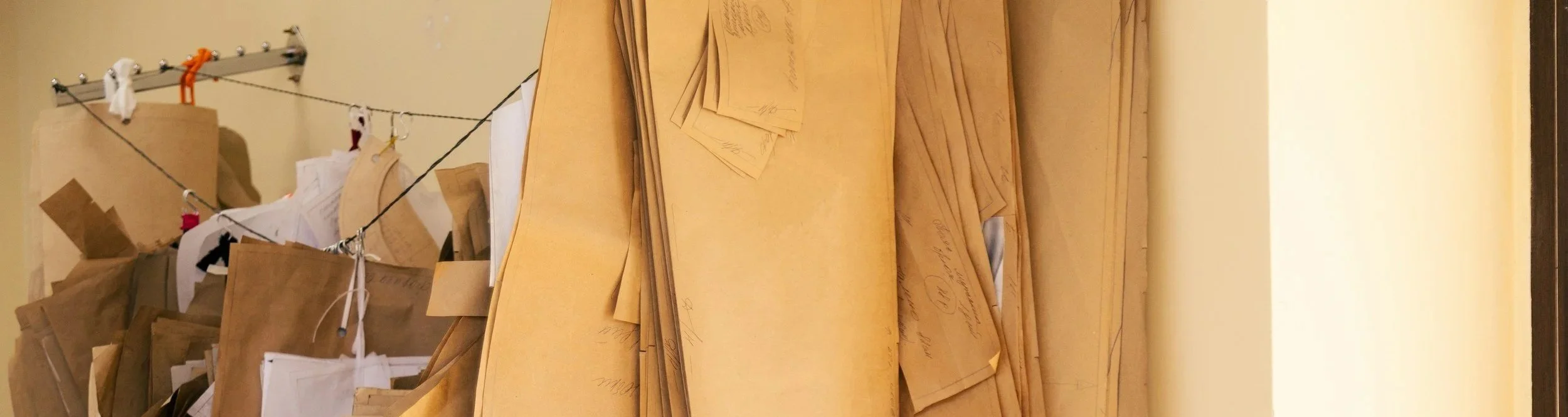
Why “Factory Patterns” Often Create More Work Later
In the past few months, we’ve worked with two young brands who made the same choice early in their journey: they purchased ready‑made patterns directly from their factories.
It’s an understandable decision especially for founders new to the apparel world. When you’re just starting out, everything feels urgent, budgets feel tight, and the idea of using something “already built” can feel like a gift. And in some ways, it is.
There are real advantages to factory patterns:
They’re fast and efficient
Factories already understand the construction
They simplify the early steps for new brands
For a brand still finding its footing, these benefits can feel like the gentle nudge forward you’re craving.
But as we’ve seen time and time again, shortcuts in apparel often circle back with a price.
🧵 Where Factory Patterns Fall Short
Here are the most common issues we’ve had to help brands untangle after starting with factory-made patterns:
1. High return rates
The fit may be “standard,” but it rarely aligns with your target consumer. Returns pile up quickly when the garment doesn’t feel right on their body.
2. Failed wear tests
A silhouette might look correct on paper but fail in real life. Movement, durability, comfort — factory patterns aren’t designed with your end use in mind.
3. Style inconsistencies
Many founders don’t realize that long sleeves, short sleeves, and other variations aren’t automatically aligned. Small mismatches in details or proportions can create a fractured product line.
4. Development slowdowns
Once issues surface (and they almost always do), they stop progress entirely. Instead of moving toward production, teams get pulled backward into fixing foundational problems.
🌿 The Heart of It: There Are No True Shortcuts in Making Apparel
We can — and should — embrace efficiencies to support speed and responsible cost management. But the essential work of product design, fit refinement, and customer‑specific pattern building can’t be skipped.
Not if you want a product that really delivers.
The two brands we’re supporting now are in the process of re-setting their patterns, fit, and design direction. It’s absolutely fixable — but it costs more time, more money, and more emotional bandwidth than doing it right from the beginning.
And the missed opportunities are real:
Lower return rates
Higher repeat customers
Stronger brand trust
A clearer product identity
These are the benefits of thoughtful, intentional product development. The kind of development that honors the customer you’re building for.
✨ Building the Right Way from the Start
When we slow down enough to build the foundation correctly, everything that follows becomes smoother, clearer, and more aligned.
Fast isn’t always forward.
And shortcuts aren’t always shortcuts.
If you’re building a brand — especially your first one — give yourself permission to invest in the details that matter. Your customers will feel the difference, and your brand will grow because of it.